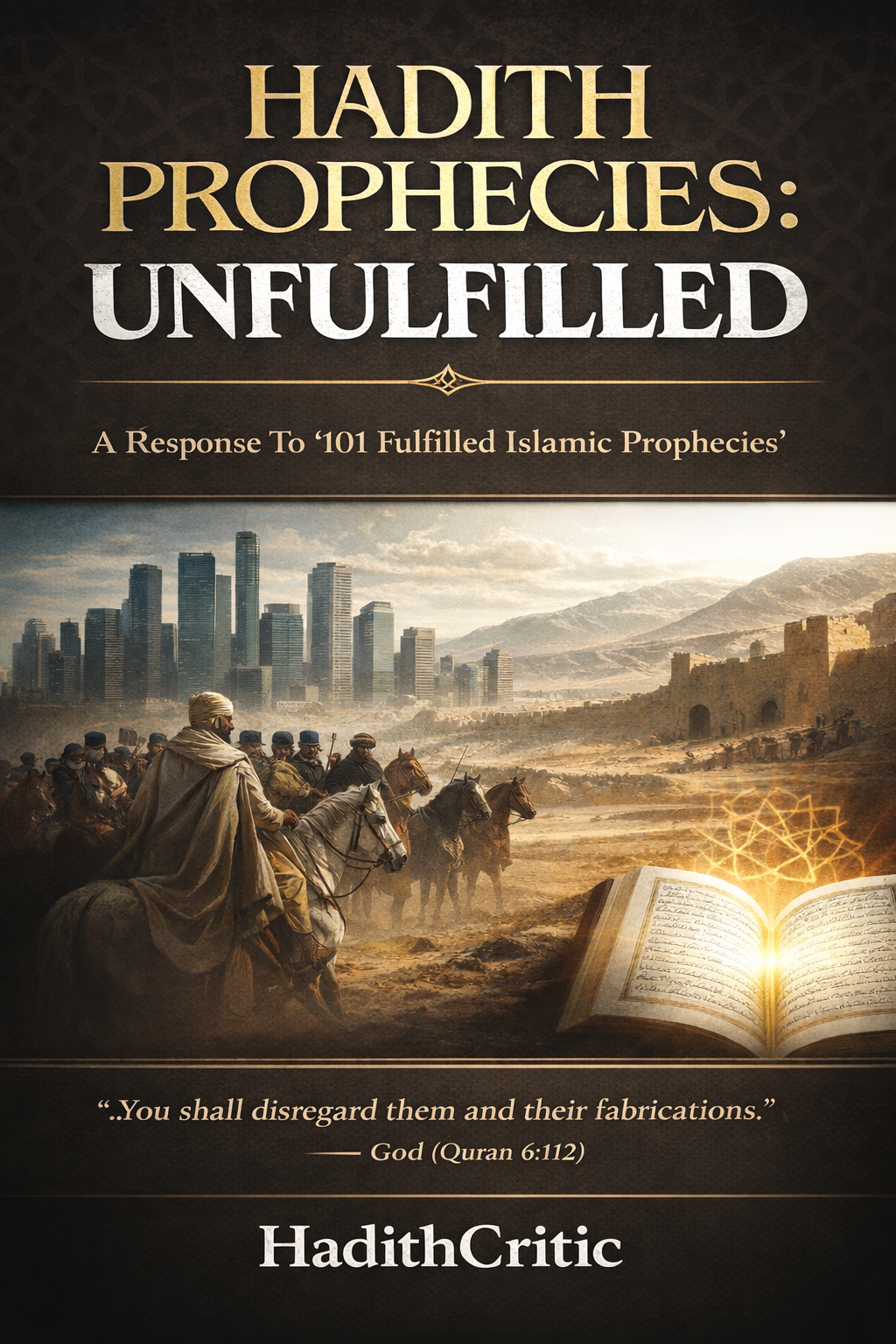
A rigorous deconstruction of over 100 Islamic prophecies using internal logic, historical scholarship, and the Quranic mandate.
Hadith Prophecies: Unfulfilled offers a rigorous forensic examination of over 100 commonly cited Islamic prophecies. We analyze them through the lens of academic history, logical falsifiability, and conflict with Quranic theology.
> ICMA ANALYSIS
> HISTORICAL DATING
> QURANIC CONSISTENCY

ACCESSING RECORDS 01-10...
From desert shepherds to Dubai-style towers — social satire from the 8th century, not prophecy.
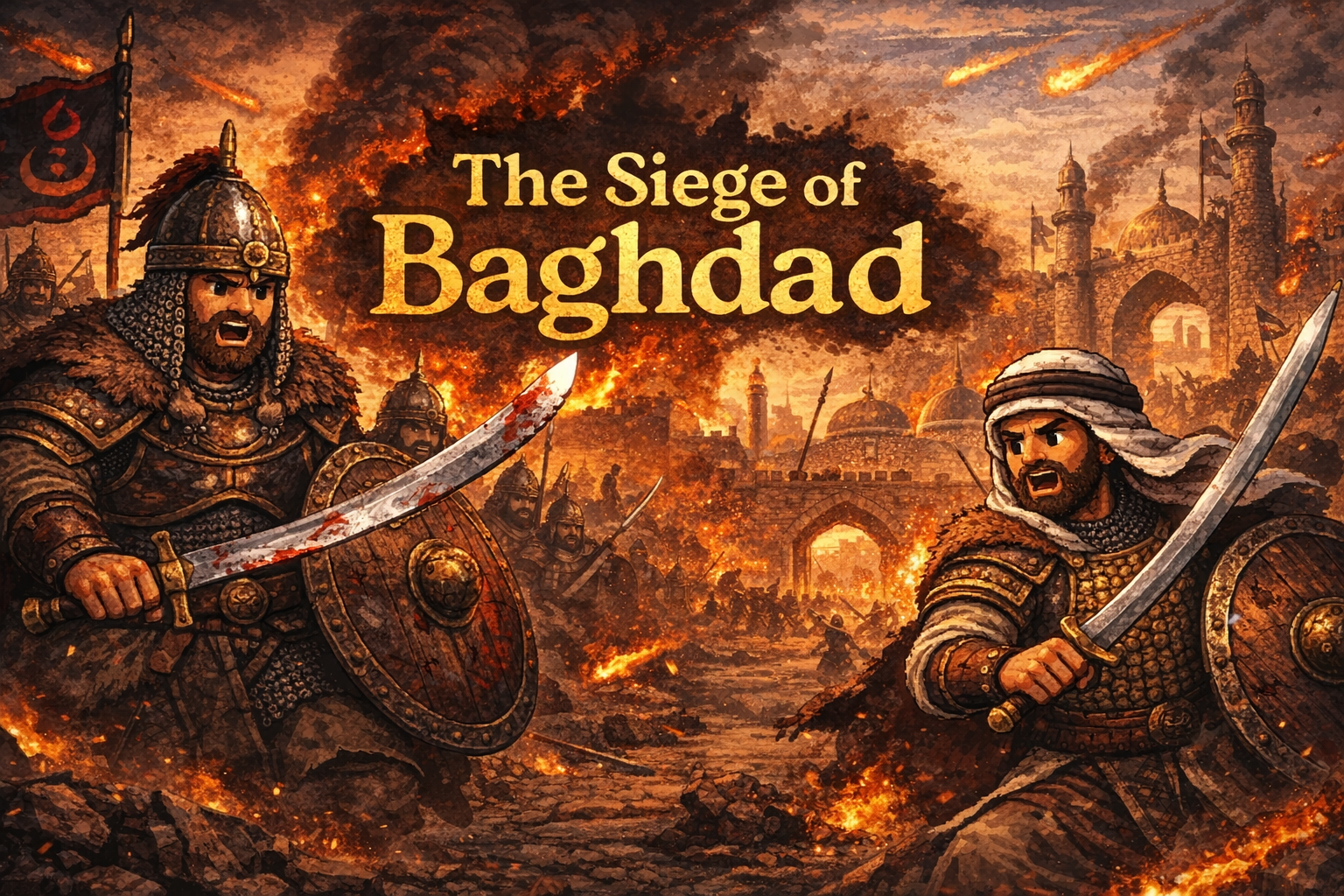
Text compiled centuries after Baghdad existed — classic prophecy-after-the-fact.
Unfalsifiable timeframe and likely self-fulfilling narrative — no predictive power.
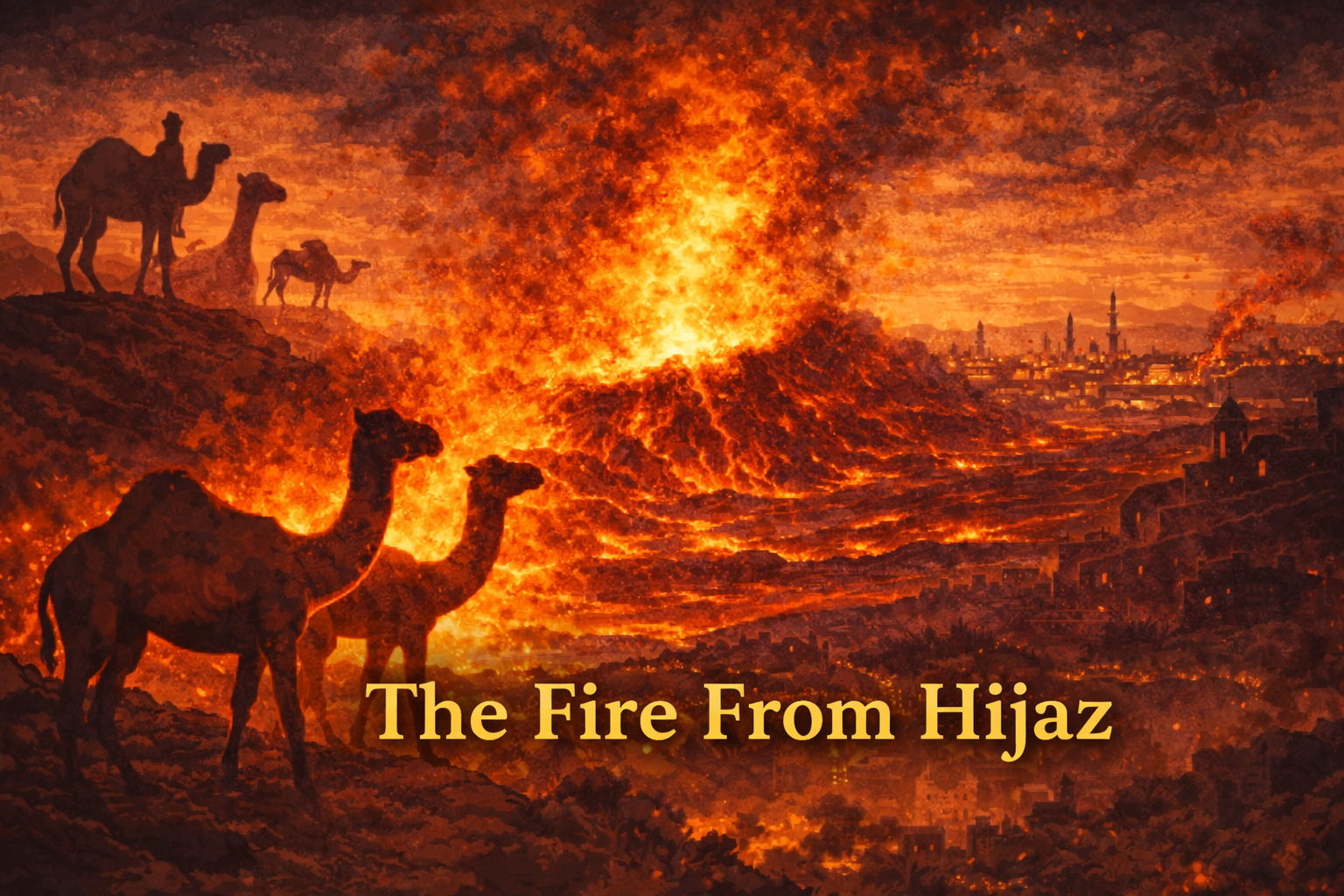
Predicting a volcanic eruption in a volcanic field — common geology, not miraculous foreknowledge.
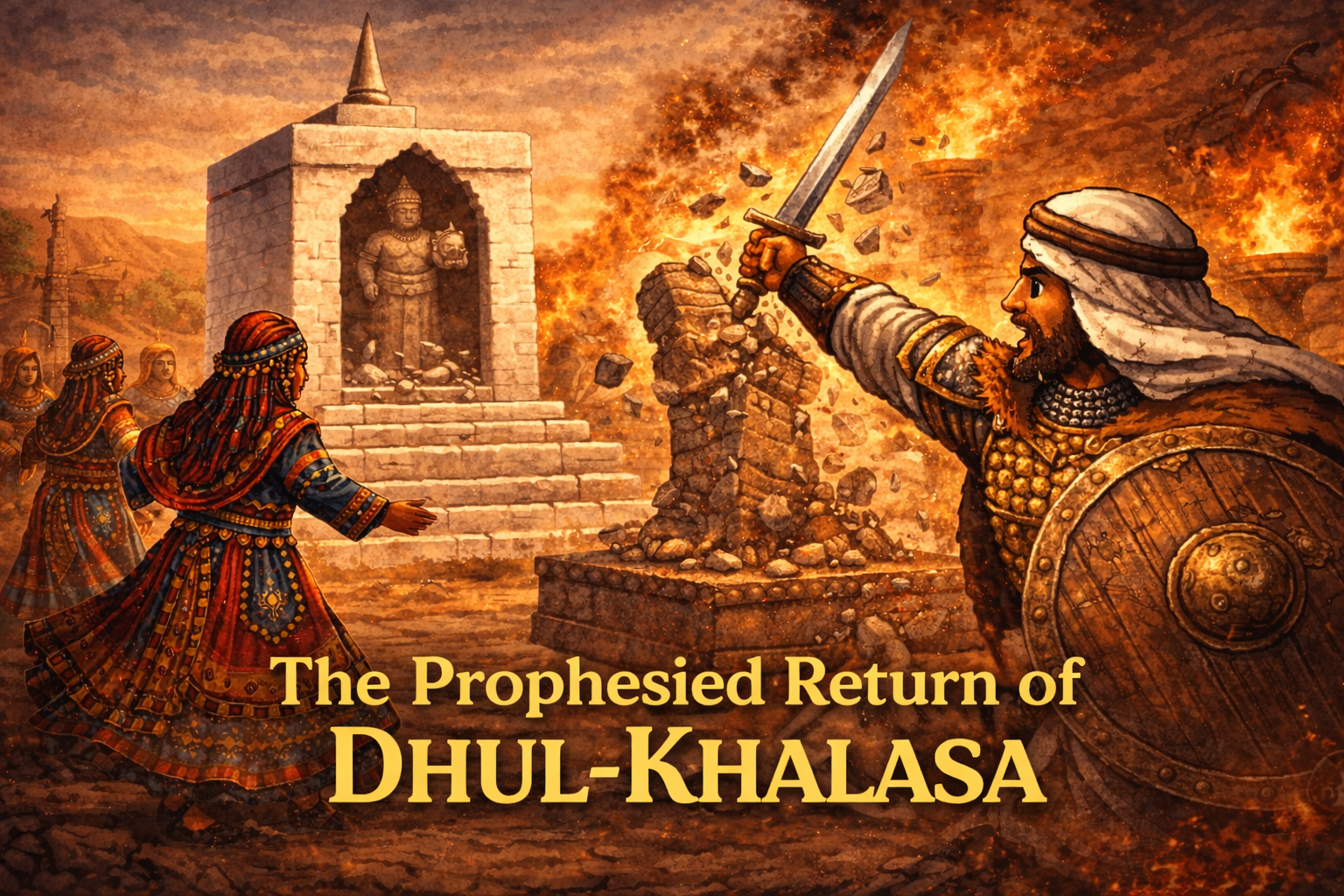
Arabia was once green — and climate cycles are well-documented. Not prophecy, just geology.
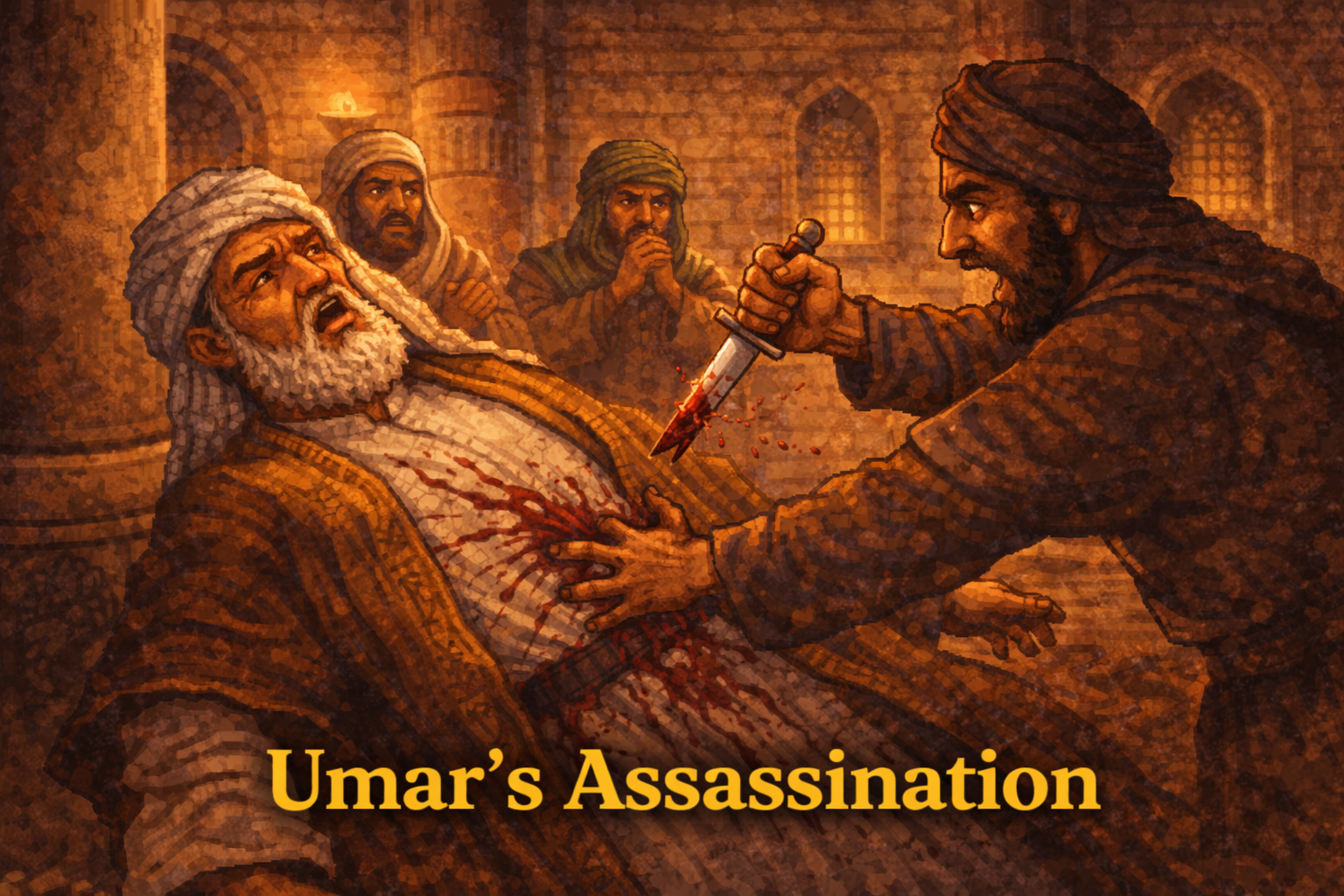
A 'prophecy' recorded long after the event — textbook vaticinium ex eventu.
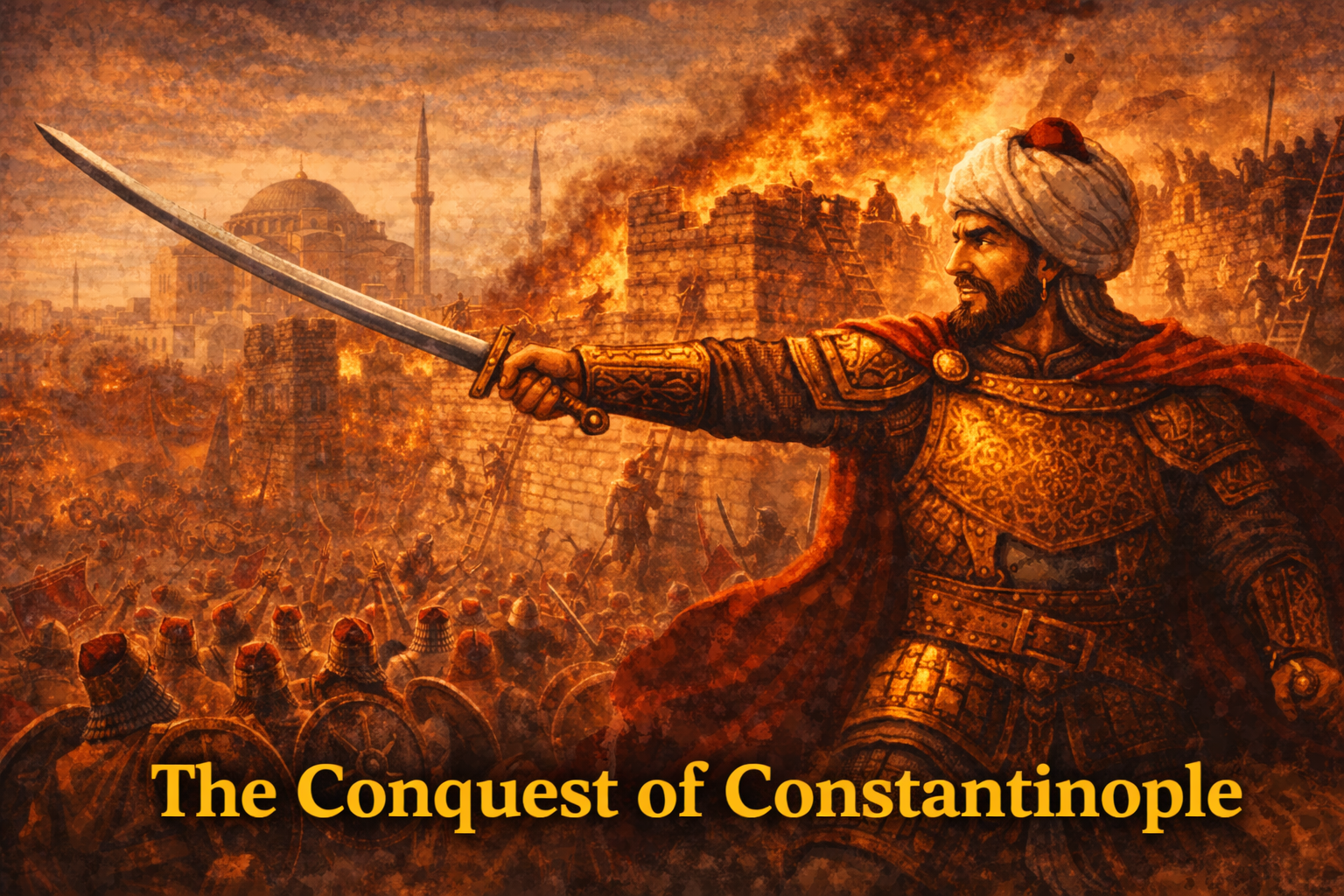
Every empire in the region had its eyes on Constantinople — hardly a surprise prediction.
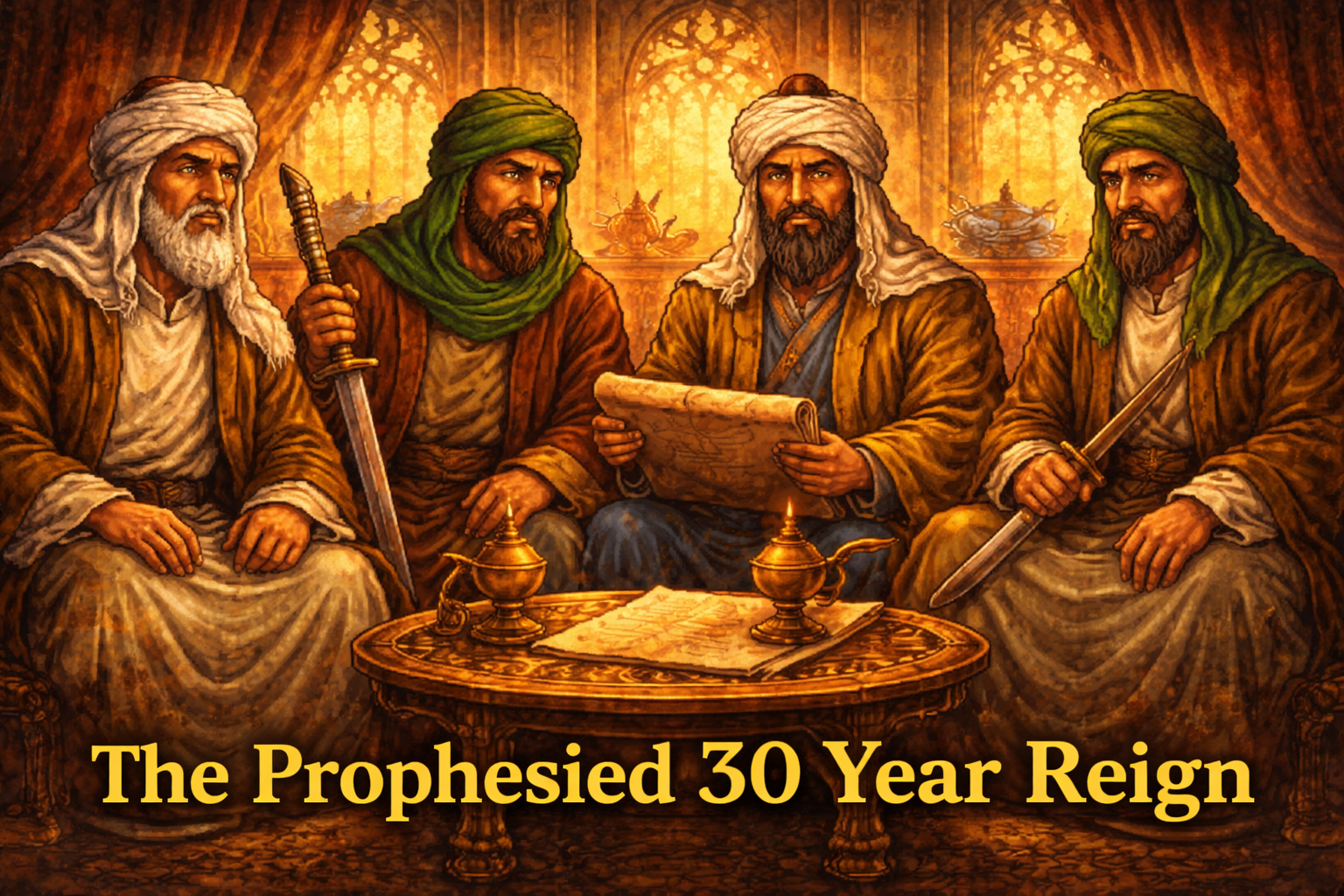
A round number fabricated after the Rashidun era ended — retrofit prophecy at its clearest.
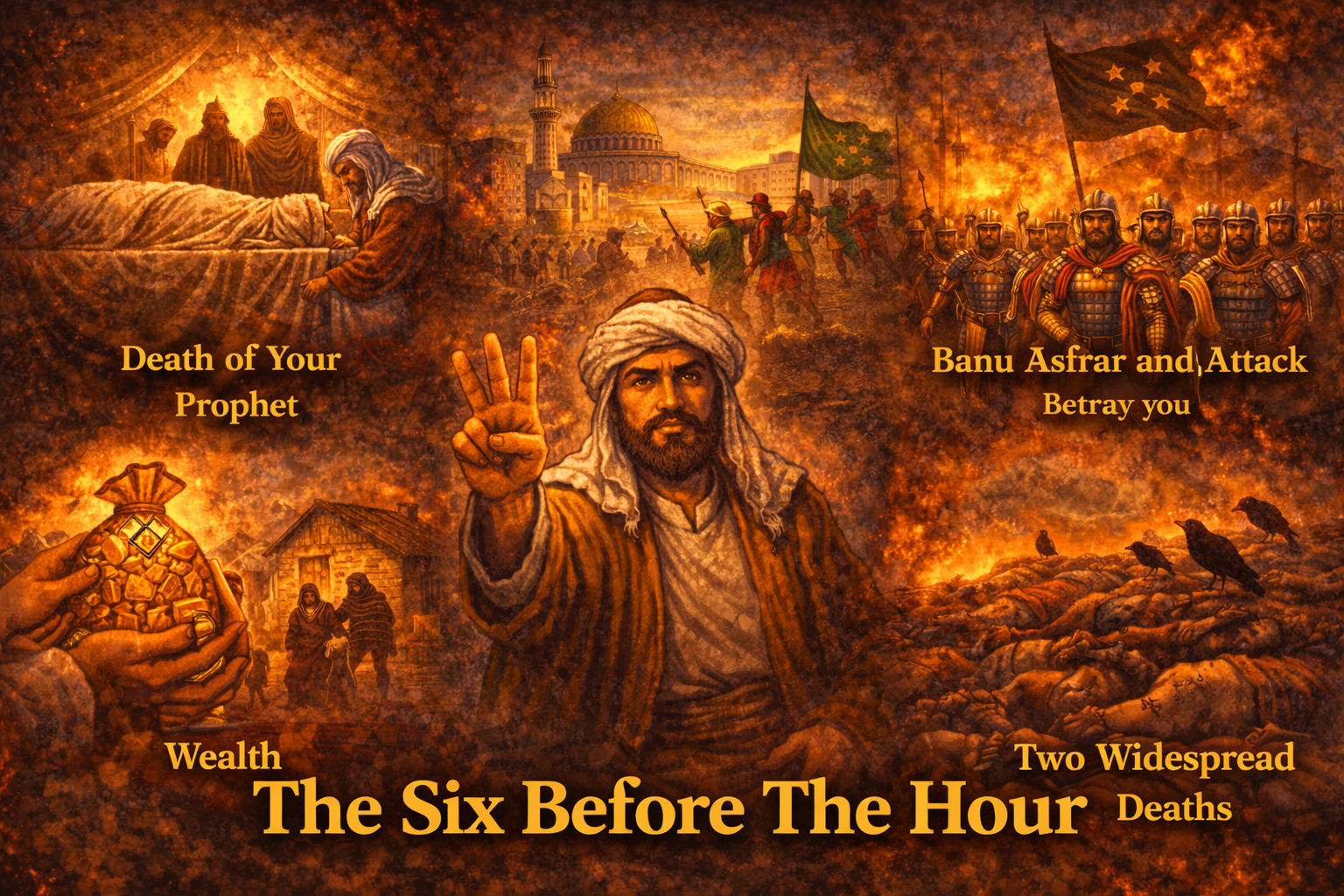
Vague apocalyptic markers that could apply to any century — no specificity, no falsifiability.
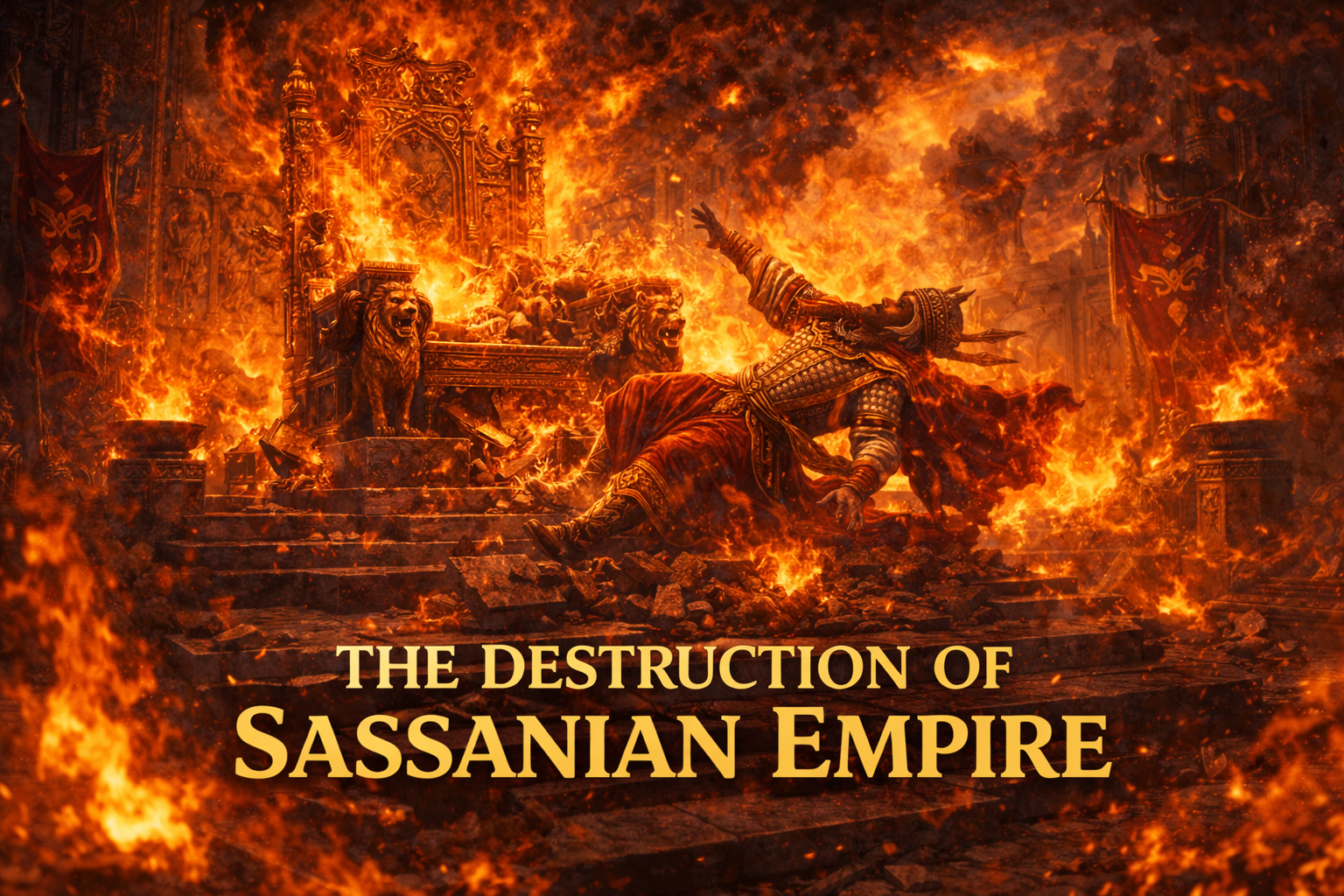
A conquest narrative framed as prophecy — compiled after Persia had already fallen. Political hindsight presented as divine foreknowledge.
Triumphalist narratives dressed as prophecy — written after the conquests had already unfolded across three continents.
Sectarian conflict was inevitable in a rapidly expanding empire — these hadiths were compiled to retroactively condemn a losing faction.
A battlefield 'prophecy' that names the exact spot where enemies would fall — almost certainly narrated after their deaths were already known.
Civil war narratives reframed as divine foreknowledge — a literary tool of early Islamic political factions seeking legitimacy.
A fiscal policy change framed as end-times prophecy — vague enough to be applied to any era of reform or conquest.
Generic doom prophecy that every generation believes applies to them — unfalsifiable by design, catastrophically vague by construction.
A theological indictment of a named individual — most likely recorded after his conduct became a matter of controversy in early Islamic politics.
A meta-prophecy that ironically confirms the problem it warns against — the hadith corpus itself is the evidence of fabrication it predicts.
A sociological observation wrapped in prophetic language — every oppressed intellectual tradition claims this dynamic, in every era.
A prediction so broad it fits every era of human civilization — despair and self-destruction are as old as recorded history, not signs of a coming hour.
A universal human sentiment across all cultures and centuries — not prophetic foreknowledge, but a timeless psychological experience of aging societies.
A self-sealing prophecy — any claimant to prophethood can be retroactively counted. The number ensures it can never be falsified and will always appear fulfilled.
Arbitrary bloodshed has marked every epoch of human history — packaging this observation as prophecy adds no predictive weight whatsoever.
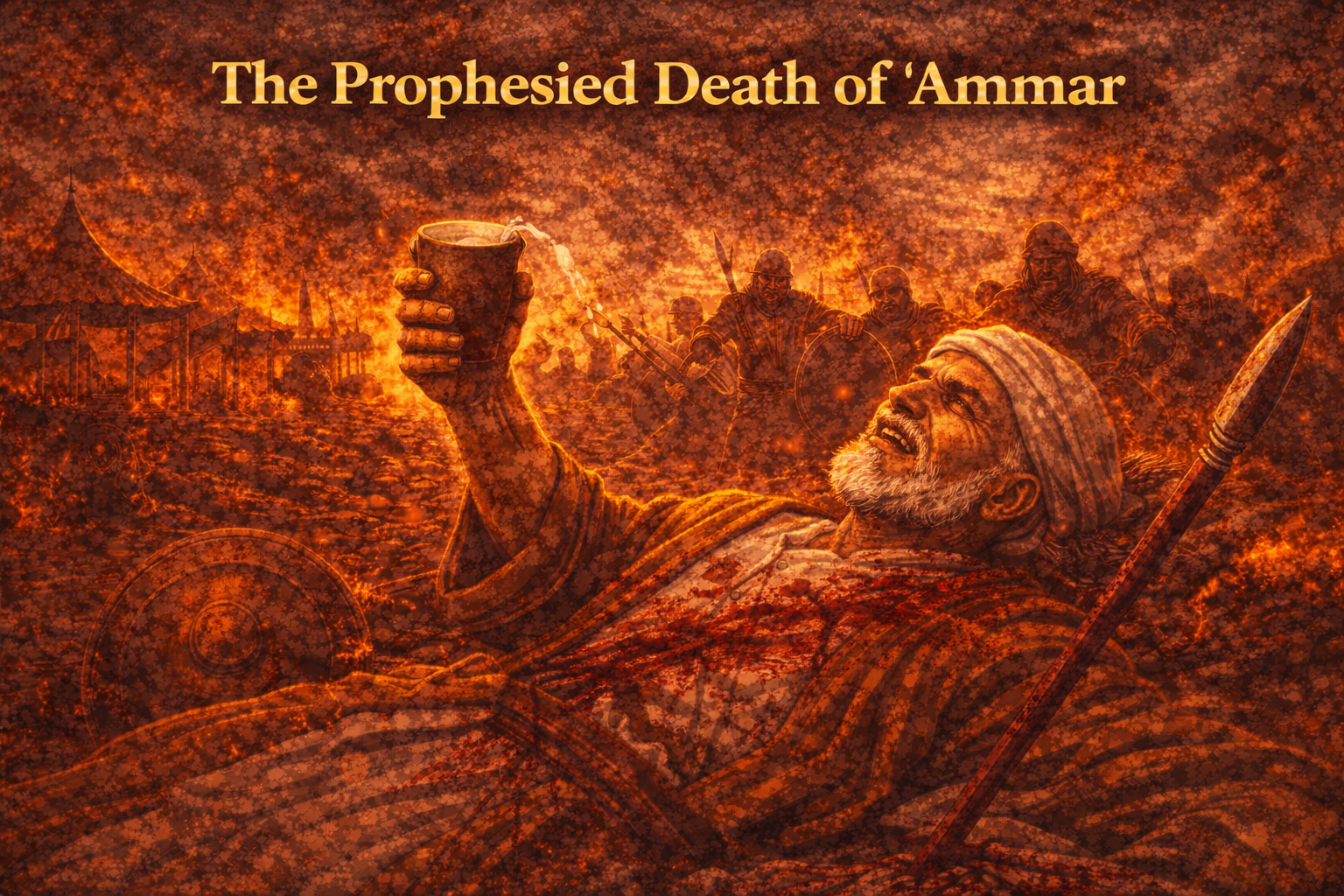
A politically charged hadith weaponized in the civil war between Ali and Muawiyah — almost certainly fabricated or embellished after 'Ammar's death at Siffin.
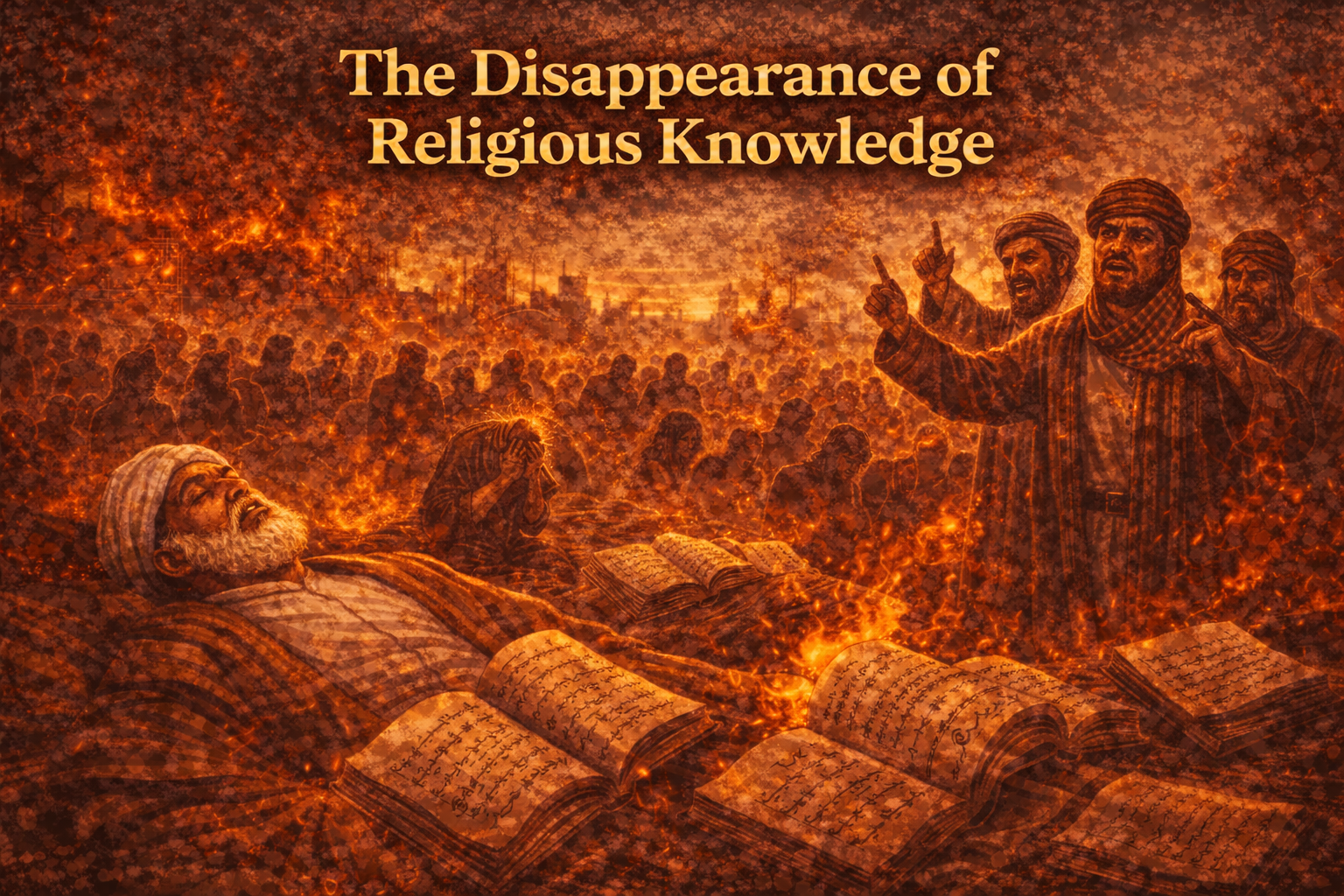
Every religious tradition mourns the decline of its golden age — this lament is a literary convention, not a verifiable eschatological marker.
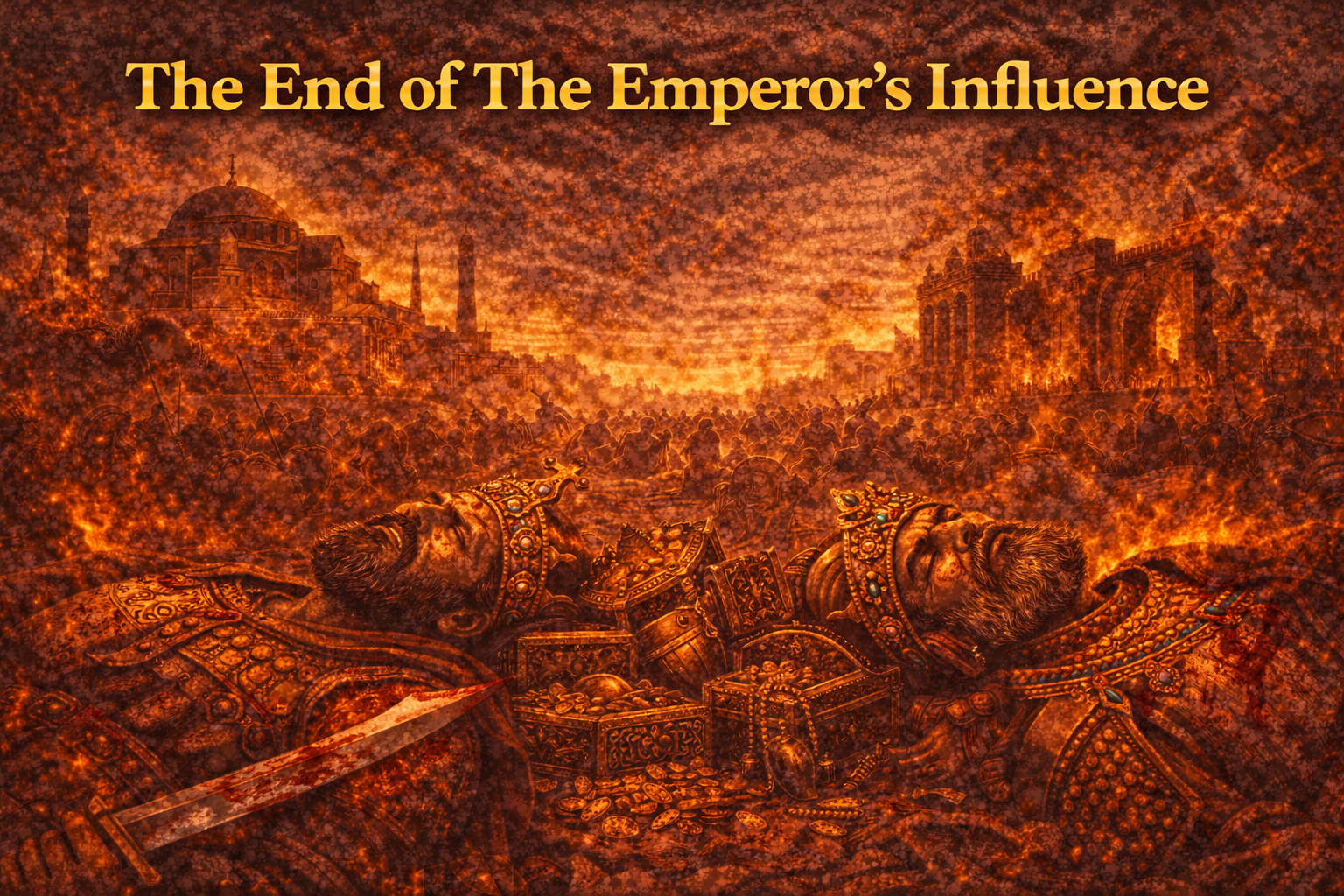
The decline of Byzantine and Persian imperial power was well underway before these hadiths circulated — geopolitical commentary dressed as divine foresight.
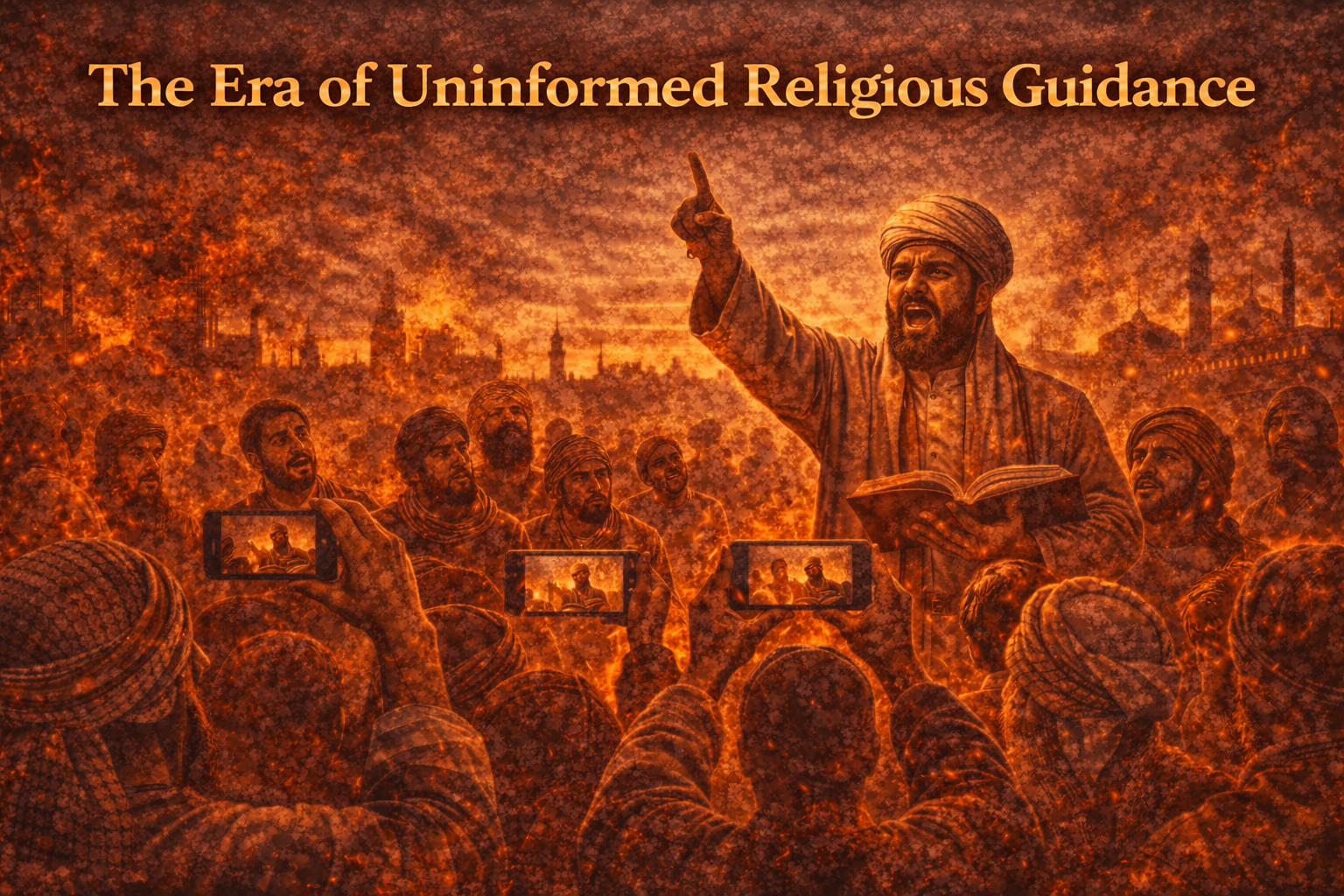
Reformist rhetoric recycled as prophecy — scholars lamenting the ignorance of their contemporaries is a trope repeated in every generation of Islamic history.
Plagues following immoral behavior is a recurring ancient trope — not specific prophecy, but moralizing rhetoric common across all pre-modern religious traditions.
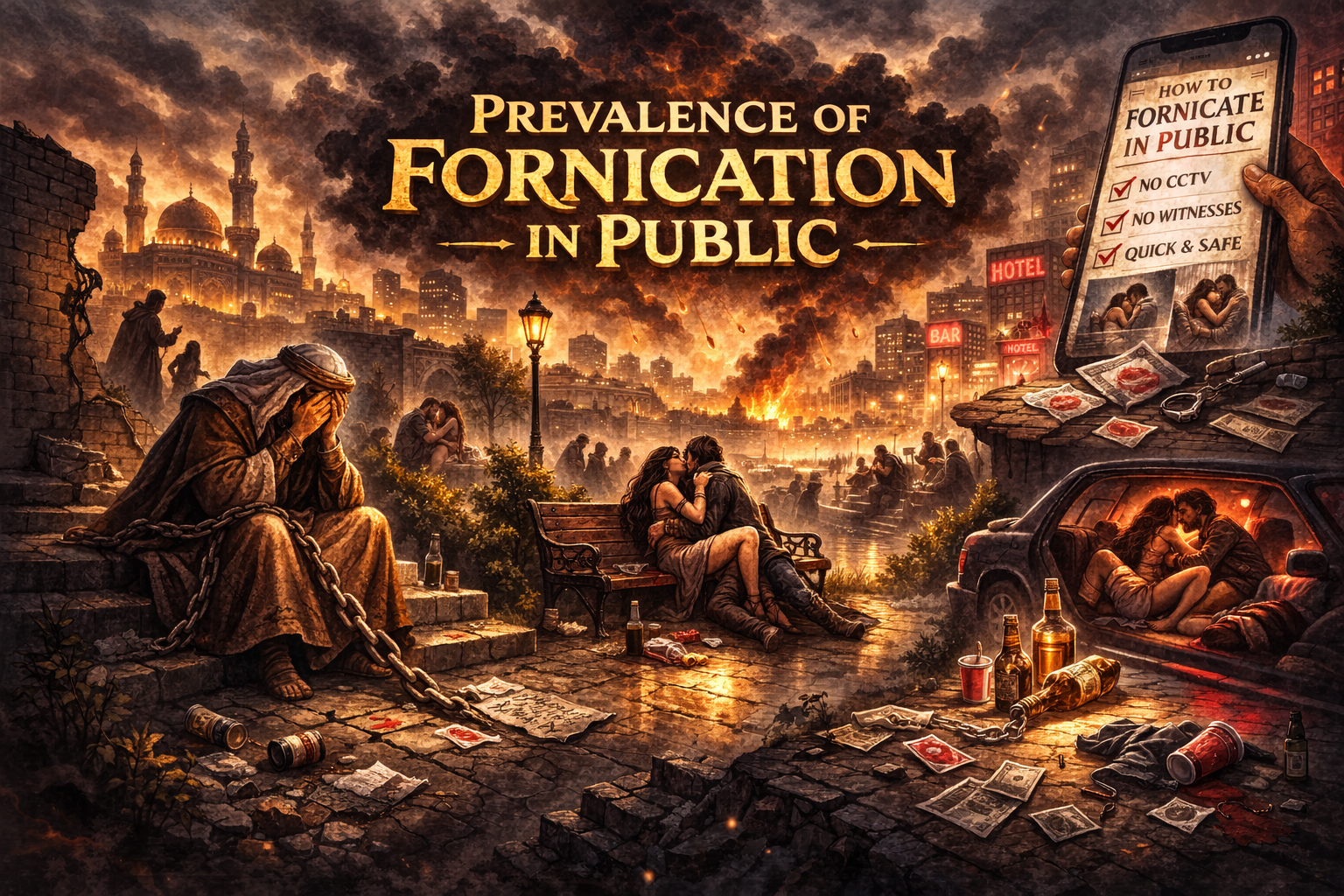
Sexual immorality in public spaces has been lamented by religious figures across every civilization — this is moralistic commentary, not miraculous foreknowledge.
Every generation has complained about the disrespect of the next — this trope predates Islam by millennia and offers zero predictive specificity.
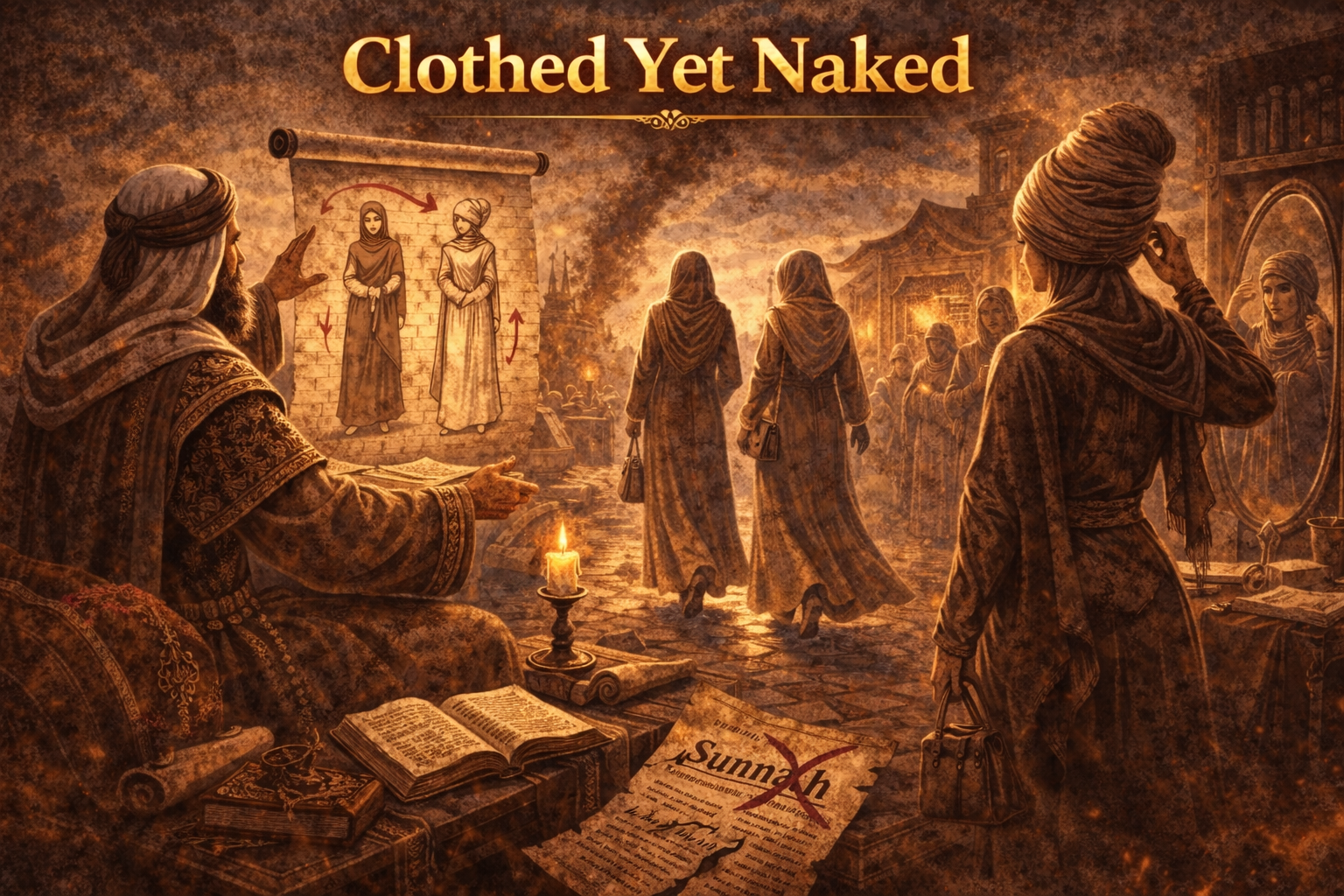
Vague moral metaphor repackaged as end-times prophecy — the description could apply to virtually any period of human dress throughout recorded history.
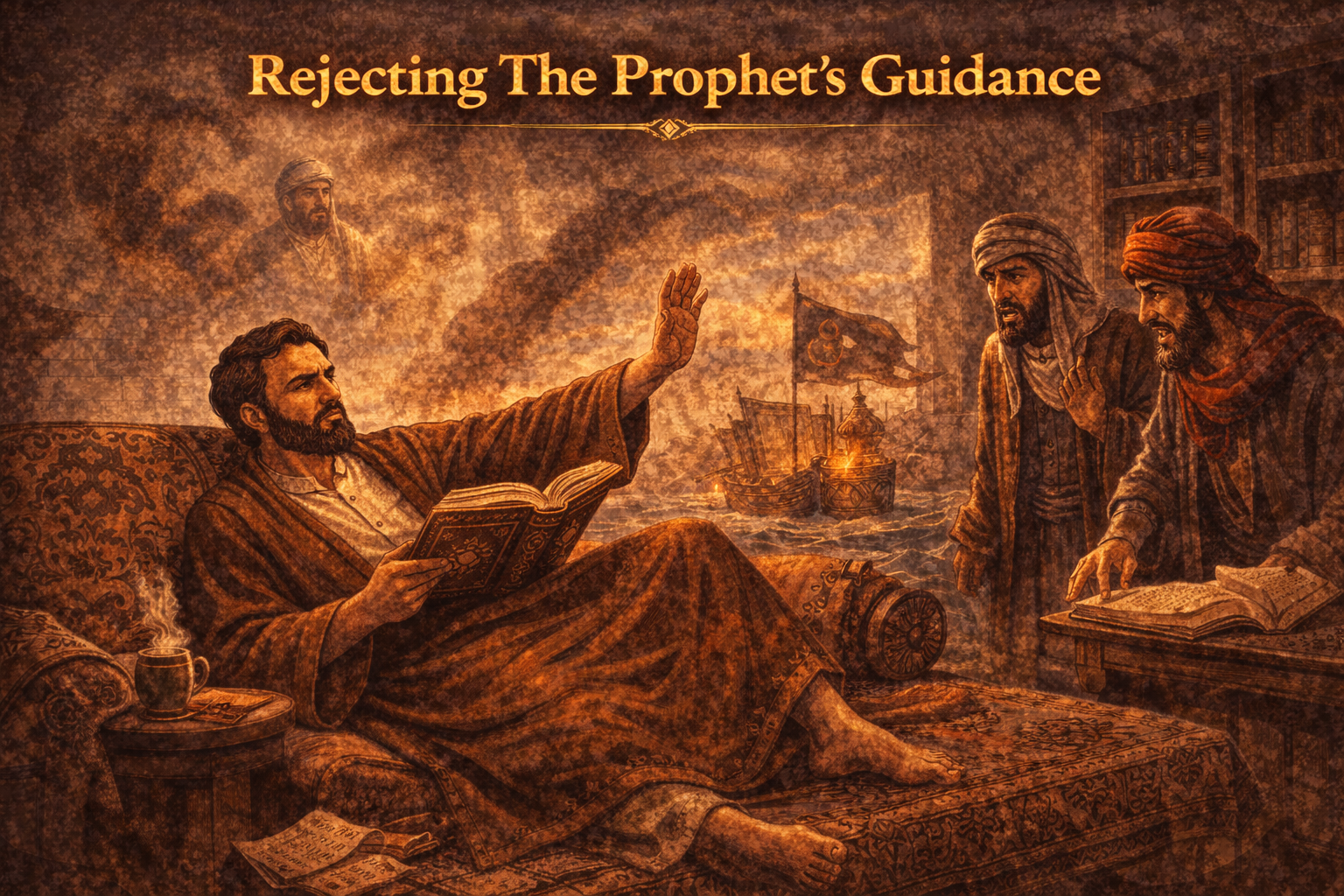
A self-serving hadith that conveniently condemns those who question hadiths — a circular argument designed to insulate the hadith corpus from scrutiny.
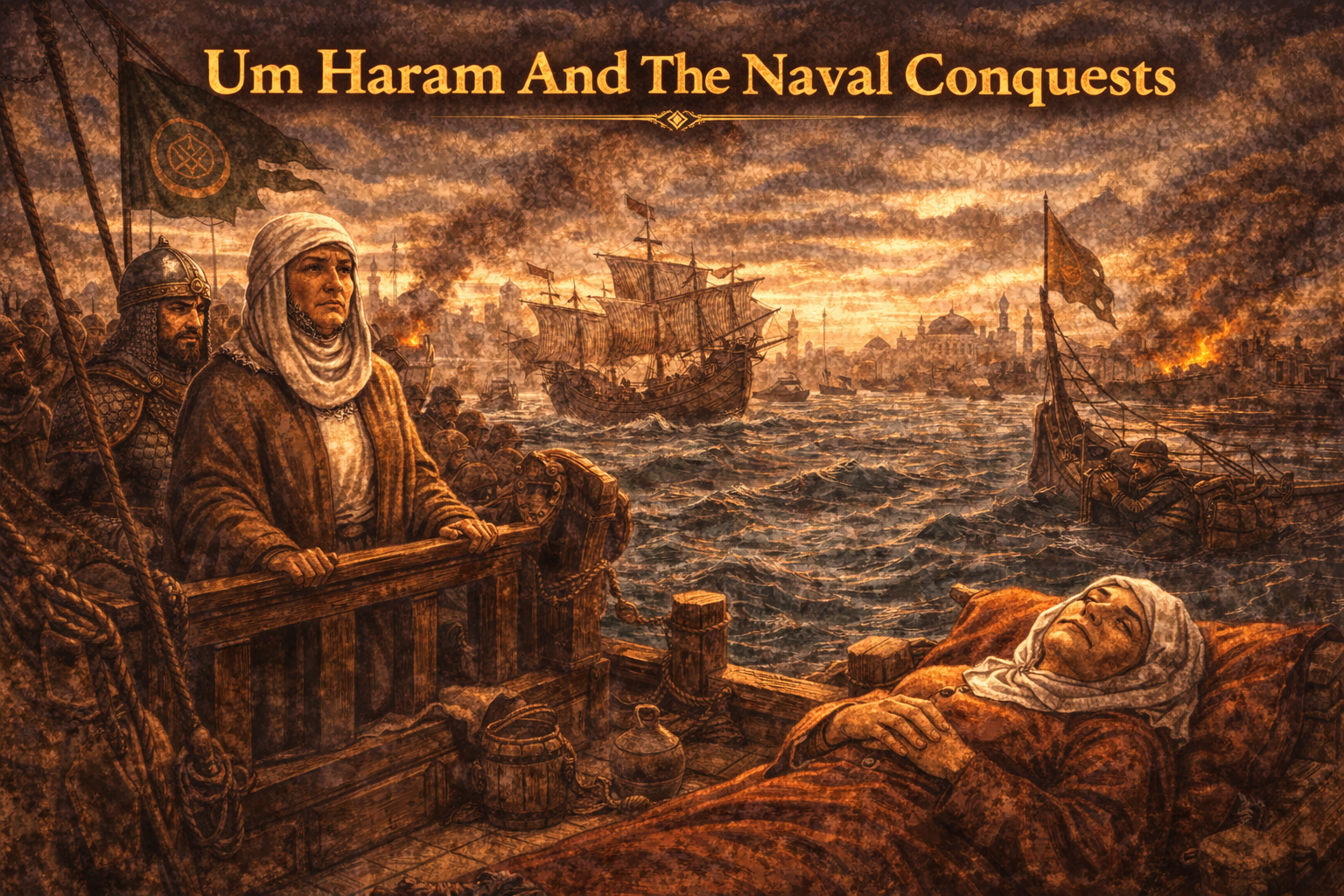
Naval expansion was a natural strategic trajectory for any growing empire — this so-called prophecy reflects political ambition, not divine foreknowledge.
A narrative almost certainly constructed after al-Hassan's abdication to legitimize the Umayyad transfer of power — political theology masquerading as prophecy.
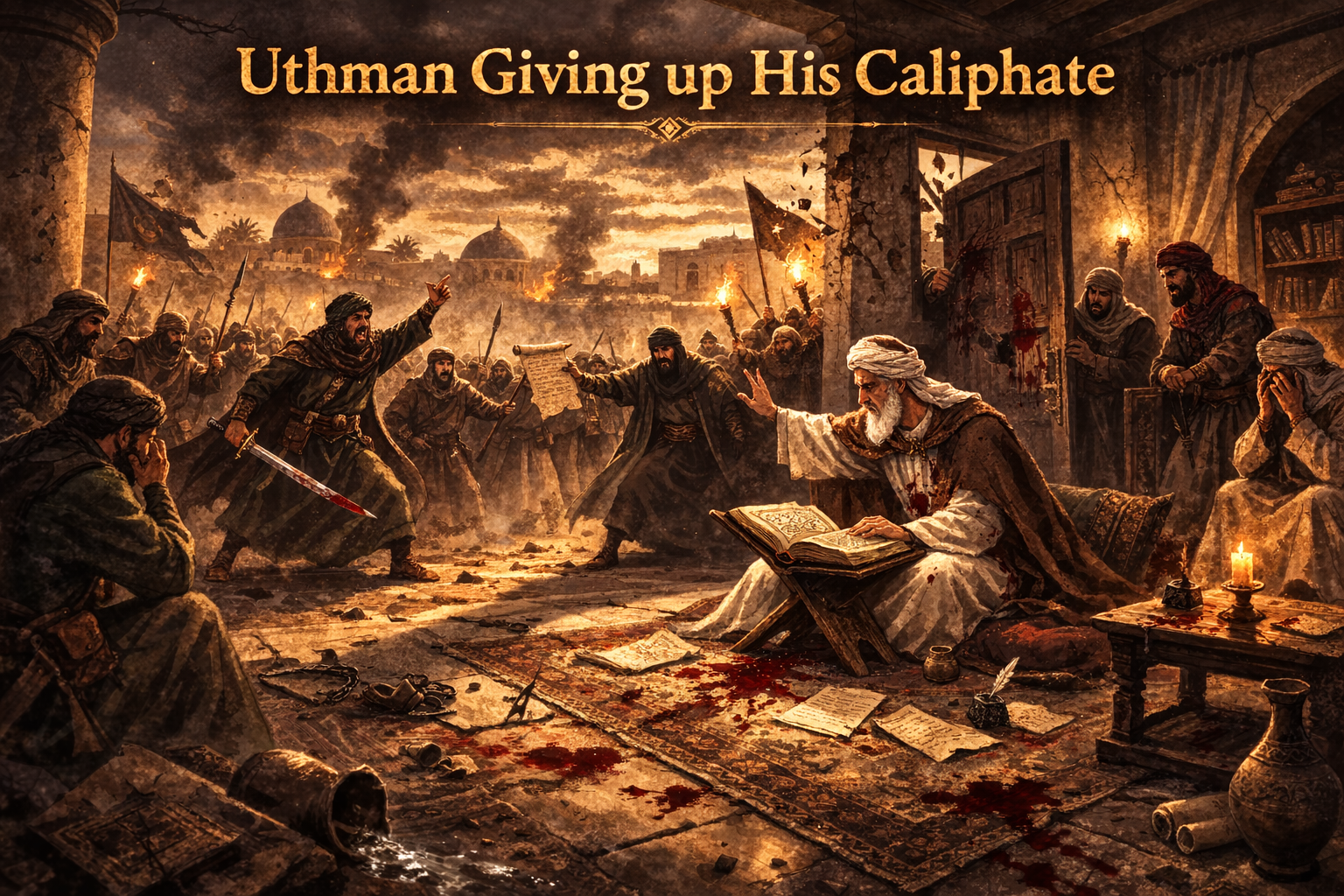
A retroactive prophecy compiled after the first civil war — used by competing factions to justify their positions on Uthman's controversial reign and assassination.
Battlefield death narratives written after the fact — the specific details of who died and how are consistent with post-event hagiography, not genuine prediction.
Death-order 'prophecies' are routinely attributed to prophetic figures after the fact — this narrative serves a sectarian function in early Shia and Sunni disputes over succession.
A colonial-era apologetic retrofitted as prophecy — 'wahn' is a moral diagnosis any defeated community could apply to itself across any period of decline.
Sudden deaths from illness, accident, and battle have existed in every era — attributing a modern increase in cardiac events to 7th-century prophecy is reckless anachronism.
Urban expansion is the default trajectory of any successful city — predicting that Medina would grow requires no supernatural foreknowledge, only basic political logic.
A conquest prediction made while Muslim armies were already mobilizing — strategic ambition, not divine revelation, explains the apparent foreknowledge of Syria's fall.
Persia was already destabilized by decades of Byzantine war — predicting its fall to a rising military power was a geopolitical assessment, not prophecy.
Yemen was already partially under Muslim influence during the Prophet's lifetime — framing its consolidation as miraculous foreknowledge obscures straightforward political history.
Hadiths identifying Ali as the legitimate combatant of the Khawarij were compiled amid active political disputes — retroactive legitimization of a faction's war record, not prophecy.
A conveniently specific physical description confirmed only after the battle — the hallmark of post-event narrative construction masquerading as advance knowledge.
Hajjaj ibn Yusuf's crimes were already notorious history when this hadith gained circulation — the 'prophecy' is indistinguishable from political character assassination after the fact.
Al-Mukhtar al-Thaqafi was already dead and discredited when these hadiths became prominent — a two-for-one prophecy manufactured to condemn a tribe's notorious sons in retrospect.
Interest-based economies existed long before Islam — Mesopotamian records show credit systems millennia earlier. This is moral polemic, not miraculous foresight about modern finance.
Every age has regarded its own violence as unprecedented — this is a universal feature of human moral consciousness, not a datable prophecy with specific predictive content.
A pietist lament recycled by every reforming generation — al-Dhahabi's own interpretation admits the claim is about incomplete faith, not literal unbelief. Unfalsifiable by design.
Syncretism and tribal apostasy occurred within decades of the Prophet's death — framing something that happened almost immediately as a distant prediction serves no analytical purpose.
The Quran's declaration of 'clear victory' was post-hoc theological reframing of a diplomatic setback — the claim only makes sense once the later outcomes were already known.
An ambiguous metaphor ('longest hand') resolved only in retrospect to mean 'most charitable' — a death-order confirmation achieved through interpretive flexibility, not prophecy.
Legal loophole-seeking around prohibited substances is older than Islam itself — this 'prophecy' describes basic human behavior around prohibition, not supernatural foreknowledge.
Police forces and enforcers with whips existed throughout antiquity — an-Nawawi's own gloss confirms these were contemporary figures, not future ones, exposing the circular reasoning.
A single-narrator anecdote with no corroboration — the convenient alignment of a natural weather event with a known death offers no verifiable predictive element whatsoever.
A hadith that condemns four behaviors simultaneously — the bundled structure makes independent verification impossible and ensures at least one 'fulfillment' can always be claimed.
Men wearing silk was a persistent practice in conquered Persian and Byzantine lands from Islam's earliest decades — this 'prophecy' describes an existing reality, not a future one.
Muslims who consumed alcohol under various juridical and cultural pretexts are documented from the earliest Umayyad era — this predicts nothing beyond the immediately observable.
Court music was widespread in the Umayyad era, well within a century of the Prophet — this bundled hadith condemns contemporary practice, not future events, undermining its prophetic value entirely.
A narrative that doubles as conquest legitimization and sectarian-dispute allegory — the brick dispute anecdote places its composition firmly after the Egyptian civil strife it describes.
Constantinople was the primary target of every eastern power for centuries — and Rome remains 'unconquered,' making this a half-successful claim dressed as a two-part prophecy.
Cultural borrowing between religious communities is documented from Islam's earliest centuries — this warning is immediately verifiable observation, not long-range prophetic disclosure.
Mosque ornamentation rivaling Byzantine churches was already a controversy by the early Umayyad period — this is documented historical critique, not advance prophetic warning.
Incompetent and corrupt leadership is a political universal — every political tradition in history has produced this observation, which carries no datable predictive content whatsoever.
Painted and decorated homes existed throughout the Roman, Persian, and Byzantine worlds that surrounded Arabia — this is architectural observation with no specific temporal predictive value.
The narrator Adi bin Hatim confirms fulfillment in his own lifetime — making this a near-term political prediction about expanding security, not a miraculous long-range prophecy.
Fatness as a sign of moral decline is ancient moralizing rhetoric — the hadith's context links it to treachery and false testimony, not metabolic disease, making the modern application a category error.
Every missionary religion of the ancient world produced universalist expansion claims — this is theological aspiration standard to the genre, not verifiable prophetic disclosure.
Social atomization and selective greeting are recorded complaints in large urban centers from antiquity — this describes urban sociology, not a unique eschatological marker.
Women's economic participation is well-documented throughout pre-Islamic Arabia and across the ancient world — Khadijah was herself a merchant employer, making this 'prophecy' self-undermining.
The prophetic warning about Ali and Aisha's conflict is suspiciously precise — its textual transmission traces to factions with strong political interest in the outcome of that exact dispute.
Family dissolution and estrangement are documented social phenomena in every expanding urban civilization — applying this to 21st-century Western individualism requires selective anachronistic reading.
The lament that false testimony prevails over true is a standard trope in wisdom literature from Mesopotamia to the Hebrew Bible — it predates Islam by thousands of years.
The count of 'twelve' requires theological gymnastics to reach — Ibn Taymiyyah's own list involves disputed inclusions, and the number appears selected for its sacred resonance rather than historical precision.
A military assessment made at a clear turning point in the war — the Confederates' failed siege was an observable military defeat that any competent strategist could have recognized as decisive.
Imperial overextension and internal competition following rapid expansion is one of history's most consistent patterns — predicting it for a fast-growing empire requires no prophetic gift.
This account hinges entirely on the claim of supernatural knowledge of a secret letter — its narrative features are indistinguishable from literary convention in early Islamic biographical literature.
The warning to the Khaibar Jews is recorded after their earlier treacheries — a conditional threat issued to a restive subject population, not an unconditional prophecy of a distant event.
Moral indifference to the source of one's wealth is as old as commerce itself — ancient Near Eastern and Greco-Roman texts condemn the same attitude centuries before Islam.
Battlefield clairvoyance narratives are a standard hagiographic motif across all religious traditions — the specific claim of naming three successors in exact order defies the probabilistic logic it is presented as evidence for.
Non-Muslim visitors to Islamic buildings of worship are documented from early Islamic history — the observation says nothing about a specific eschatological era and lacks any falsifiable marker.
Performative religiosity for social reward is documented in every religious community from their founding — this is a timeless critique of human nature, not a dateable prophetic claim.
Religious communities develop new practices within generations of their founding — this warning predicts the inevitable trajectory of any living tradition, not a specific or falsifiable future event.
A multi-item bundled hadith applied selectively to modern controversies — the specific claim about homosexuality being 'declared permissible' by Muslims is a contemporary interpolation of a vague eschatological warning.
Ibn al-Zubayr's messianic claims emerged from a specific political crisis — a 'Mahdi' constructed to legitimize a rebel caliphate, not a fulfillment of any coherent prophetic tradition.
Muhammad ibn al-Hanafiyya's elevation to Mahdi status by the Kaysaniyya sect illustrates how Mahdi theology was a political tool from the outset — manufactured messianism serving factional war.
The Hasanid branch's messianic claimants reveal the Mahdi concept as a dynastic legitimacy mechanism — each new political crisis produced a new Mahdi candidate from the Prophet's lineage.
The Abbasid caliph al-Mahdi adopted the title as conquest propaganda — the pattern of rulers claiming messianic status exposes the Mahdi tradition as a political instrument, not a coherent prophetic legacy.